See all press
August 28, 2026
Transcript
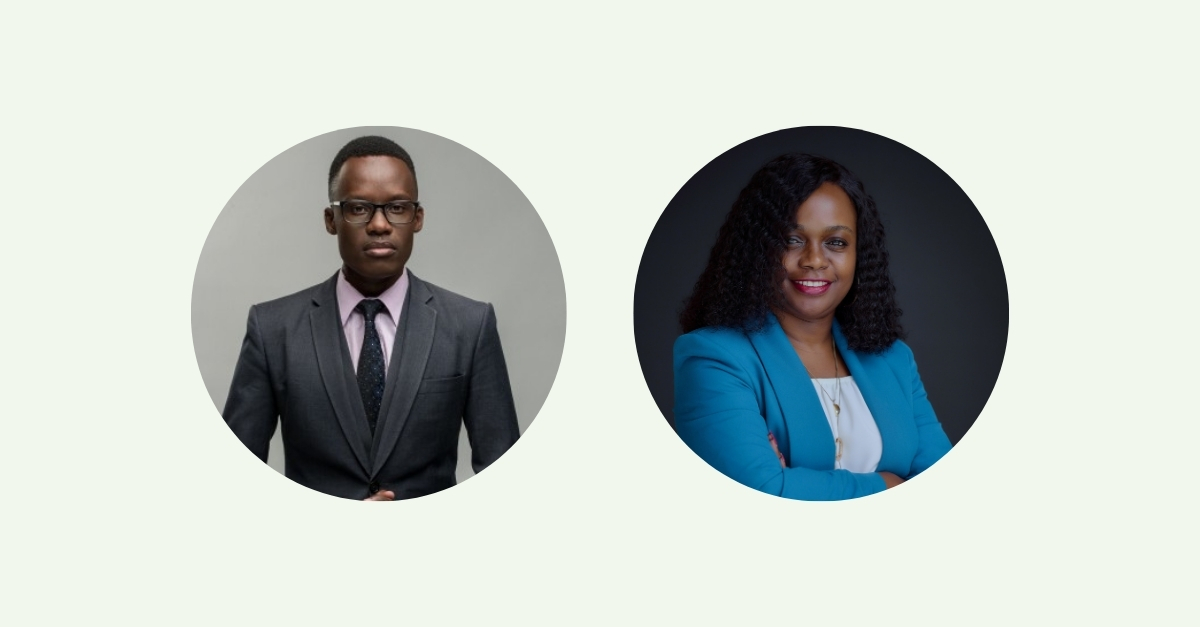
Noah Kipkemboi: Hello and welcome to Captains of Industry. I'm Noah Kipkemboi and today is quite chilly and we are about to have a very wonderful and heated conversation because you know conversations bring warmth when captains share their come up. So ladies and gentlemen, please put your hands, stick it up wherever you are and help me welcome the acting MD MTIBA Kenya, Irene Nafula.
Irene Nafula: Thank you.
Noah Kipkemboi: Welcome to Captains of Industry. Do you love the cold weather or do you prefer warm?
Irene Nafula: I was born in Mombasa. So you can imagine. Born of course and stayed there for my primary education. So quite a huge chunk of my life before I moved to the upper side of the country. So yeah I love the warm weather. My ideal vacation is the beach.
Noah Kipkemboi: Ah I see that. I mean it's quite interesting Irene. You know different parts of the country sometimes you go to Mombasa and they're like you guys are too fast. I mean that upbringing I know from a young age was it was there a huge contrast when you moved up-country as compared to the coastal of Kenya? I love that experience of being Kenyan and how diverse you are.
Irene Nafula: Yes culture shock, culture shock between moving from Mombasa to what we call Ushago for high school. I moved from Star of the Sea to Nangina Girls. I remember when I moved there, I was wearing earrings, you know, 'cause I was a town girl. And then I'm in rural Ushago. My fellow students would be like "speak again" when I was saying what I say. You speak so fast and then it's so like musical. I didn't know as I'm speaking people are just listening like they're following my tonation.
Noah Kipkemboi: It's been narrowed. I know. But it's amazing the way our childhood shapes who we are today. Talk to me about your childhood upbringing, of course, Mombasa, then moved to high school. What was it like? What values were back then? And even can you compare with right now when you observe families' upbringings, is it different?
Irene Nafula: Yeah. I mean I'm a millennial and right now we are surrounded with the next two generations. My upbringing was very quiet. Children from the coast are born calm and with pleasant manners. Shikamos were dropped [in Nairobi]. Gen Z are born at the right time. We were born quiet with no social media. We were forced to be creatives. Right now the kids are cooped up in the house with gadgets. Back then we were out playing. No fear because security was there. Right now even my own child cannot play outside of my compound. But knowledge is power. Info is at our fingertips right now.
Noah Kipkemboi: Leadership yes is very very important, steering an organization in an insure-tech. How would you describe your style of leadership and why do you take on that particular style of leadership?
Irene Nafula: I'm an active learning leader. I don't purport to know it all. The one thing I always advocate to my team is we have to learn each other. It should be reciprocal. We call them healthy conflicts. I'm a very driven person. I like driven people. I like people who come and explain to me the results and then go back to how we arrived. Sometimes you might find someone in a mood. Take a step back and think could there be other things that are really boggling this person's mind. I don't believe people come to the office to mess up.
Noah Kipkemboi: Okay. That's kind of interesting. So be driven very very important and that's something that you expect from the team but also there is a full understanding. You strike a balance between top down and bottom up.
Irene Nafula: Where is our industry going? The change is now faster than before. The future of the industry is in navigating the change. Our approach to customers has to change. People know what they want. We don't need long documents. We need to shorten even further. We should be able to create a customized product, not you go and say "there's this product." We need to grow the base. We still talk about 2 to 3% coverage. That's we are failing. Everyone should be able to walk into our healthcare facilities and be treated with dignity.
M-TIBA is a next-generation health insurance platform and operations partner that helps insurers run profitable health portfolios with real-time data and automation across Africa.